Mitigating Global Recall Risks: The Truth About Bulk Ceylon Cinnamon Wholesale Frameworks
For commercial food manufacturers, high-volume bakeries, and infant food processors, purchasing bulk ceylon cinnamon wholesale lots has become a major point of regulatory scrutiny. Recent market sweeps by the European Commission’s Joint Research Centre (JRC) alongside the US FDA have sent shockwaves through supply chains, revealing that over 60% of commercially available cinnamon products failed international purity, safety, or compliance standards.
When your brand intends to buy true cinnamon bulk shipments, evaluating the raw price per metric ton is no longer enough. To safeguard your product line from border rejections, consumer recalls, and brand damage, you must look closely at the underlying analytical parameters and supply chain structures.
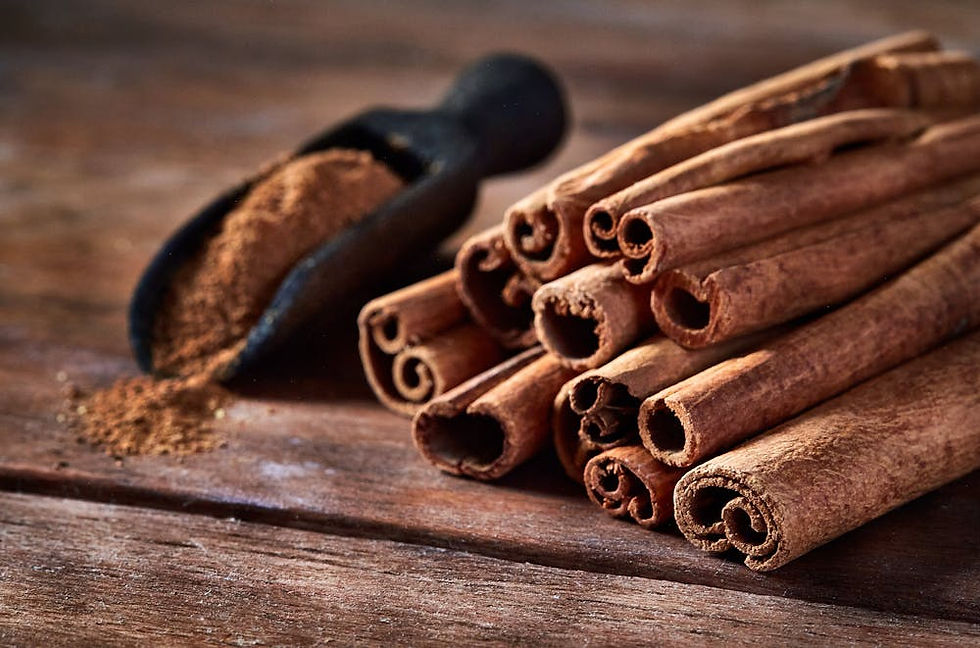
The Hidden Financial Risk of Cassia Substitution
Authentic Ceylon Cinnamon (Cinnamomum verum) is premium because of its complex, sweet flavor and its chemical purity. However, because of its premium price point, the global spice market faces widespread product substitution fraud. Low-cost Cassia bark—which looks similar when ground but belongs to an entirely different botanical class—is frequently blended into ground retail shipments by open-market traders looking to increase their margins.
For corporate compliance teams, this substitution introduces a severe health liability: Coumarin.
Cassia / Blended Aggregate Lots
Up to 1% (10,000 mg/kg) Coumarin Content ➡️ Fails Strict EU Food Law Limits ➡️ High Risk of Recalls

Spiceratioo Direct Sourcing
Trace Levels (0.004%) Coumarin Content ➡️ 100% Compliant ➡️ Safe for Commercial Formulations
Coumarin is a natural chemical compound known to cause hepatotoxicity and liver damage when consumed regularly in small amounts. Because of this, the European Food Safety Authority (EFSA) enforces strict coumarin limit regulations for food safety across finished goods (regulated under EC 1334/2008).
While common Cassia cinnamon contains high levels of coumarin (up to 1% or more), authentic Ceylon cinnamon contains only trace amounts (roughly 0.004%). If an automated processing line uses a batch that has been secretly blended with Cassia, the finished product can easily cross legal safety thresholds, triggering immediate market withdrawals.
Heavy Metals and Chemical Testing: Beyond the Visual Grade
Beyond botanical purity, global regulatory bodies have updated their official border control standards to screen more aggressively for heavy metals and pesticide residues. Sourcing from unverified pesticide free cinnamon suppliers who buy from aggregated, middleman trading desks introduces a two-fold operational risk:
Lead and Heavy Metals: Unscrupulous aggregate brokers sometimes handle cinnamon using outdated drying equipment or add unauthorized weight-increasing agents, causing lead levels to spike past the legal maximum limit of 2.0 mg/kg for bark spices.
Pesticide MRL Stoppages: Under updated global import laws, random composite testing at port facilities checks for hundreds of prohibited agricultural chemicals down to parts per million (ppm). A single bad sample can freeze a multi-ton container indefinitely.
To help quality assurance teams protect their manufacturing runs, incoming supply contracts must match these strict baseline criteria:
Technical Parameter | Standard Broker Risk | The Spiceratioo Sourcing Baseline |
Botanical Purity | High risk of partial or total Cassia substitution. | Guaranteed 100% pure Cinnamomum verum (Zero Cassia). |
Coumarin Content | Unpredictable; frequently exceeds acceptable safety baselines. | Negligible trace metrics (Safely complies with strict EU/US food laws). |
Lead (Pb) Concentration | Vulnerable to post-harvest environmental contamination. | Consistently tested well below stringent international safety limits. |
Origin Traceability | Document paths regularly break at intermediary regional warehouses. | Direct mapping to physical production coordinates in the Galle District. |
The Spiceratioo Assurance: Direct Sourcing Integrity
At Spiceratioo, we minimize your supply chain liabilities by eliminating the structural causes of cross-contamination. We serve as a direct Sri Lanka cinnamon exporter, managing a transparent supply chain anchored within the premium, coastal terroir of the Galle District, Southern Province.
Our partner farms harvest exclusively at peak plant maturity. Our multi-layer inner bark quills are carefully hand-scraped, dried, and graded in our dedicated, customs-verified facilities, completely bypassing the risks of open-market trading desks.
Every shipment of wholesale ceylon cinnamon quills, bark chips, fine powder, or Supercritical Fluid (SCF) fluid extracts leaves with a comprehensive, lot-specific Certificate of Analysis (COA) from an independent, third-party laboratory. This documentation verifies exact coumarin levels, microbial safety, and full compliance with local MRL targets before the vessel departs for your import destination.
Safeguard Your Production Infrastructure
As global food safety frameworks step up enforcement on spice purity, ensuring an authentic, low-coumarin raw material source protects your brand from severe operational setbacks.
Before authorizing your next seasonal manufacturing contract, let our technical desk review your internal quality metrics. We can provide lot-specific analysis sheets and certified evaluation samples tailored to your compliance requirements.

Comments